What Homeowners Need to Know About Foundation Waterproofing NJ
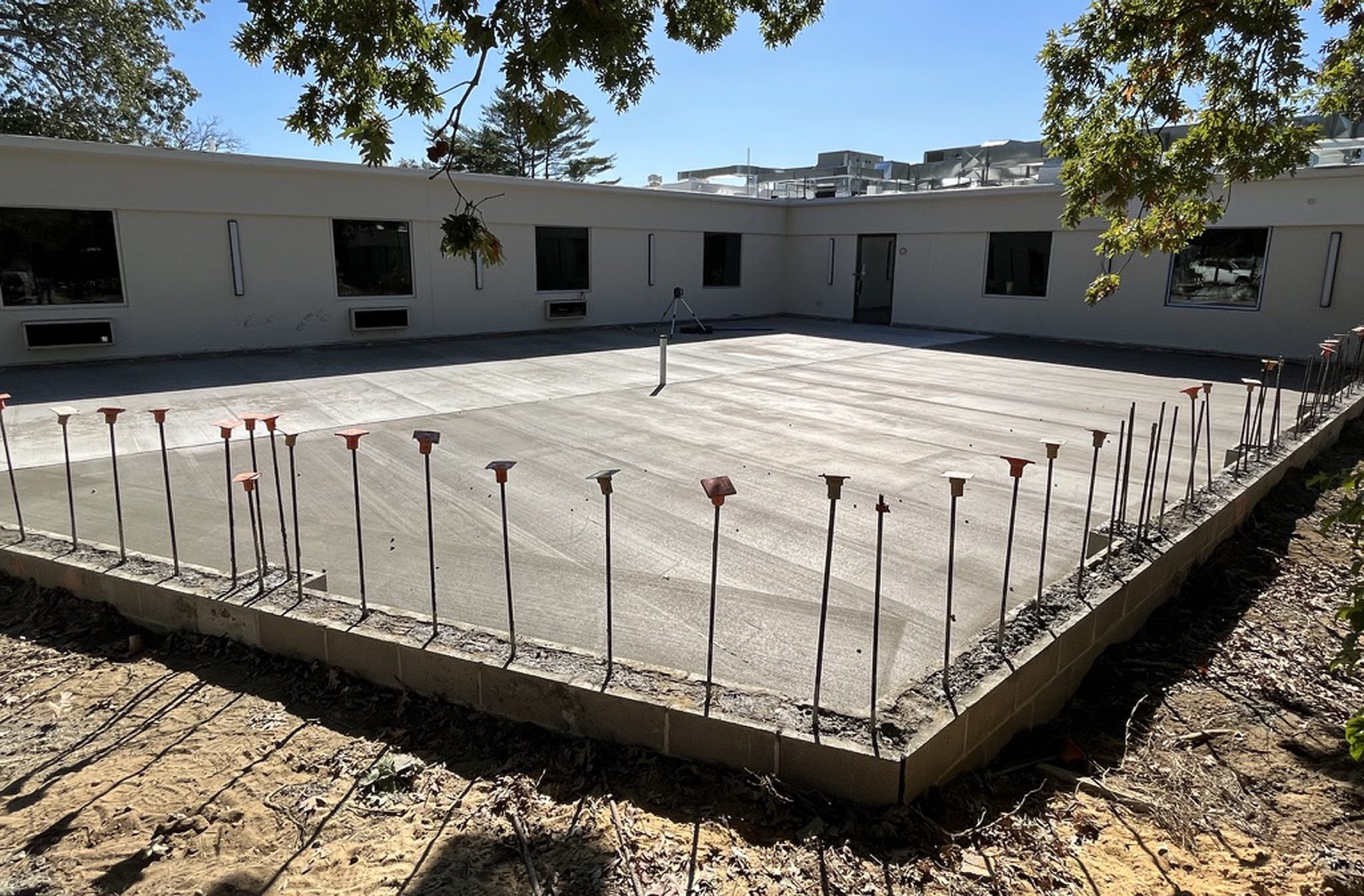
A dry basement is easy to take for granted until the first hard rain leaves a damp wall, a musty smell, or a thin line of water creeping across the floor. In New Jersey, that moment comes sooner than many homeowners expect. Between coastal storms, spring thaws, aging housing stock, and the mix of clay-heavy and poorly draining soils found across the state, foundation moisture is not a niche issue. It is a routine part of owning a home.
That is why Foundation Waterproofing NJ is not just a repair topic. It is a property protection topic. Water around a foundation affects structural materials, indoor air quality, storage, finished basement spaces, and resale value. It also has a way of starting small. A faint mineral stain on a block wall can become peeling paint. Peeling paint can turn into mold growth behind drywall. A wet corner can become a sump pump running every twenty minutes during a storm.
Homeowners often call for help after they see obvious leakage, but many of the most expensive repairs begin with subtle signs that were easy to dismiss. Understanding how waterproofing works, what methods actually solve the problem, and what conditions are common in New Jersey can save a great deal of money and frustration.
Why New Jersey homes are especially vulnerable
New Jersey has a little of everything, and that is part of the challenge. A home in Bergen County may deal with one set of conditions, while a house closer to the Shore faces another. Older neighborhoods often have foundations built decades before modern waterproofing standards became common. Some homes sit on high water tables. Others have yards that look flat to the eye but pitch just enough toward the foundation to trap runoff.
Heavy rains are only part of the story. Freeze-thaw cycles widen cracks. Clogged gutters dump roof water right at the base of the house. Dense soils hold moisture against foundation walls for days. In some areas, hydrostatic pressure becomes the main problem. That is the force created when water saturates the soil and pushes against basement walls and floors. Once enough pressure builds, water finds its path through cracks, cold joints, porous concrete, mortar lines, or the cove joint where the wall meets the slab.
I have seen homeowners spend thousands on interior cosmetic work before addressing the actual water entry point. New flooring, fresh paint, and finished walls can look beautiful for six months. Then one August storm hits, and the lower edge of the drywall darkens overnight. At that stage, the problem is not just water, it is rework.
Waterproofing is not the same as damp-proofing
This distinction matters more than most people realize. Many homeowners hear the word "waterproofing" and assume any coating on the wall counts. In practice, a lot of foundation treatments are really damp-proofing measures. They can slow moisture vapor or protect against mild soil contact, but they are not designed to stop liquid water under pressure.
A true waterproofing approach is based on how water behaves around the house. That means managing surface runoff, reducing water accumulation near the foundation, relieving pressure when necessary, and sealing or redirecting entry points with systems built for below-grade conditions. A bucket of waterproof paint from the home center is not a substitute for drainage design.
This is one of the most common points of confusion in Foundation Waterproofing NJ projects. Homeowners often want the least disruptive fix, which is understandable. Nobody wants excavation if it can be avoided. But a professional assessment should start with the source of the water, not with the easiest product to apply.
The signs that a basement moisture problem is already underway
Not every water issue shows up as standing water. Some of the earliest clues are quieter and easier to miss. A basement can be taking on moisture for months before a puddle appears.
Watch for signs like these:
- A persistent musty odor, especially after rain
- White chalky residue on walls, called efflorescence
- Peeling paint or bubbling wall finishes
- Rust on metal items stored near exterior walls
- Hairline cracks that become damp or darker during wet weather
A homeowner in Monmouth County once described her basement as "never wet, just a little earthy." That earthy smell turned out to be moisture collecting behind wood paneling installed years earlier. The concrete block wall looked fine from the open side of the basement, but behind the finished section, mold had spread across furring strips and insulation. There had never been a dramatic flood. The problem was chronic dampness that went unchecked.
Where foundation water problems usually start
Water entry is often blamed on the foundation itself, but the root cause is frequently outside the wall. A foundation is the last line of defense, not the first. If too much water is directed toward the house, even a well-built wall is under constant stress.
Roof drainage is a frequent culprit. A single disconnected downspout can discharge hundreds of gallons near the footing during a storm. Multiply that across several downspouts, and the soil around the home becomes saturated quickly. Add compacted clay soil and a negative grade, and the water has nowhere good to go.
Window wells are another trouble spot. When they fill with water or collect debris, leakage around basement windows becomes likely. Cracks matter too, but they should be evaluated in context. A vertical shrinkage crack may be relatively straightforward to seal if drainage conditions are corrected. A horizontal crack in a basement wall raises different concerns and may point to structural pressure, not just moisture intrusion.
The age of the home also changes the conversation. Many older New Jersey homes were built without the perimeter drainage systems or membrane protections now considered standard. If those homes have had additions, patio installations, or landscaping changes over the years, the original drainage pattern may be completely altered.
Interior waterproofing versus exterior waterproofing
Homeowners often ask which method is better. The honest answer is that it depends on what the house is doing. Interior and exterior systems solve different parts of the problem.
Exterior waterproofing aims to stop water before it enters. This usually involves excavation down to the foundation wall, cleaning and repairing the surface, applying a waterproof membrane, protecting that membrane, and improving drainage at the footing level. It is often the most direct way to address wall penetration from outside pressure, especially when there are known wall defects or failed original materials.
Interior waterproofing usually focuses on managing water that has already reached the wall or slab perimeter. It may include an interior drain tile system, a sump pump, vapor barriers on walls, and crack injection. It does not make the outside soil dry, but it can be very effective at controlling water entry and protecting the usable basement space.
There is no universal winner. Exterior work is often more disruptive and more expensive, especially if decks, walkways, HVAC equipment, or mature landscaping block access. Interior systems are often more practical for finished neighborhoods or homes with limited excavation room. But interior systems are not magic either. If the wall itself is deteriorating badly or if exterior grading is terrible, drainage capture alone may not be enough.
A seasoned contractor should explain the trade-offs clearly. If someone insists that one method solves every basement issue, that is a warning sign.
What a proper assessment should include
A reliable waterproofing evaluation should feel more like an investigation than a sales pitch. The contractor should want to know when the problem occurs, how often, and under what weather conditions. A basement that leaks only during driving rain may have a different issue than one that seeps after long wet periods.
A strong assessment usually includes the following:
- Exterior grading and downspout discharge review
- Inspection of cracks, wall condition, and floor joints
- Moisture patterns, staining, and odor assessment indoors
- Discussion of sump pump history, if one exists
- Consideration of whether structural movement is present
This is also the point where homeowners should ask practical questions. Is the goal to create a dry storage basement, or to protect a fully finished living space? Is the issue occasional seepage, or are there signs of ongoing pressure and wall stress? A basement used for boxes and tools does not need the same finish-sensitive protection as a basement bedroom or office, but both need a water control strategy that matches the risk.
Common waterproofing methods and when they make sense
Crack injection is one of the most widely used repairs for poured concrete foundations. When a non-structural crack leaks, polyurethane or epoxy injection can seal the pathway effectively. The key is correct diagnosis. If the crack is active because water is constantly pooling outside, sealing it without correcting the drainage source may only shift the leak somewhere else.
Interior perimeter drainage systems are common in New Jersey basements with recurring seepage at the cove joint or along wall bases. These systems channel incoming water to a sump basin before it reaches the floor surface. They work well when hydrostatic pressure is the main issue. Quality matters here. A well-installed system is quiet, serviceable, and paired with a dependable sump pump. A poor installation can leave dead spots, clog, or create maintenance headaches.
Exterior excavation and membrane installation are often the best fit when walls are allowing water through multiple areas, when block foundations are deteriorating, or when a homeowner wants the most comprehensive exterior barrier possible during a larger site project. If a driveway is already being redone or landscaping is being overhauled, it can be an ideal time to coordinate exterior waterproofing.
French drains and yard drainage improvements can be critical, but they are not always foundation waterproofing in the strict sense. They are site-water management tools. Still, they often make the difference between a successful system and a recurring problem. I have seen a basement "waterproofing failure" turn out to be a yard drainage failure ten feet away from the house.
Sump pumps deserve more respect than they get
A sump pump is often treated like a backup detail. In many New Jersey basements, it is the centerpiece of the water management system. If the house relies on interior drainage, the pump has to perform when storms knock power out or when snowmelt coincides with rain.
A decent system should have enough capacity for the home’s water load, a sealed basin where appropriate, a proper discharge location away from the house, and ideally a battery backup. In storm-prone areas, some homeowners go further and install a secondary pump or a water-powered backup if municipal water pressure is available and local rules permit it.
One of the more frustrating service calls is the "waterproofing failed" complaint after a pump stopped during an outage. The drainage system may have done exactly what it was designed to do, but without a functioning discharge pump, the water had nowhere to go. For any Foundation Waterproofing NJ plan that includes interior collection, pump reliability is not optional.
Costs, expectations, and what drives the price
Homeowners naturally want a number early in the process, but waterproofing costs vary because the conditions vary. A single crack injection is a different scope than a full interior perimeter system. Exterior excavation around one accessible wall is different from waterproofing an entire foundation boxed in by hardscape and tight lot lines.
Price is usually driven by access, system type, linear footage, wall condition, pump specifications, disposal needs, permit requirements, and finish restoration. In practical terms, simple targeted repairs may cost a few hundred to a few thousand dollars, while full-scale systems can move into the many-thousands range. The wider the scope, the more important it becomes to understand exactly what is included.
Homeowners should also think beyond the installation price. Ask about serviceability. Can the pump be replaced easily? Is there routine maintenance? What warranty applies to materials versus labor? Does the warranty transfer to a new owner? Those details matter, especially when waterproofing becomes part of resale discussions later.
Finished basements raise the stakes
Waterproofing a raw utility basement is one thing. Waterproofing a finished basement is another. Once carpet, trim, insulation, built-ins, and electronics are involved, even minor seepage becomes expensive. A quarter inch of water on a bare slab is inconvenient. The same amount under laminate flooring and inside a stud wall can trigger demolition.
This is why I often advise homeowners to solve uncertain moisture issues before remodeling. It is much cheaper to install drainage, pumps, or vapor management before the basement is full of finishes. If the space is already finished, inspection becomes harder. Moisture meters, thermal cameras, and selective opening may be needed to understand what is happening behind surfaces.
There is also a comfort issue. A basement can be technically dry enough to avoid puddles but still too humid for healthy living. Dehumidification often belongs in the conversation. Waterproofing stops or controls water intrusion, but indoor humidity management keeps the space comfortable and helps prevent musty odors and mold growth.
Choosing the right contractor in New Jersey
The waterproofing industry includes excellent specialists and aggressive sales operations. Homeowners should take their time. A good contractor will explain why water is getting in, not just what product they sell. They should be willing to discuss alternatives, limitations, and cases where a lower-cost drainage fix outside may reduce or eliminate the need for bigger work.
Look for a company that has real experience with local conditions. New Jersey homes present recurring patterns, from shallow window wells in older suburbs to stormwater issues on tightly developed lots. Local knowledge helps with diagnosis.
Pay close attention to how the estimate is written. Vague language is a problem. "Seal basement" is not a scope. "Install interior perimeter drain along 68 linear feet, new sump basin, primary pump, battery backup, and wall vapor barrier on affected ardwaterproofing.com Foundation Waterproofing NJ walls" is a scope. Specificity protects both sides.
If a contractor diagnoses a structural issue, such as significant wall bowing or settlement-related cracking, that should be addressed directly. Waterproofing and structural repair sometimes overlap, but they are not identical services. A reputable professional will say when an engineer or structural specialist needs to be involved.
Maintenance after the work is done
A waterproofed foundation still needs attention. Systems perform best when the rest of the house supports them. Gutters need cleaning. Downspout extensions need to stay connected. Sump pumps should be tested. Landscaping should not be built up against siding and foundation lines in ways that trap water.
Homeowners are often surprised by how many "new leak" calls are actually maintenance issues. A buried discharge line clogs, a gutter outlet gets crushed by a mower, or a flower bed is regraded during a landscaping project and starts shedding water back toward the house. None of these problems mean the original waterproofing was necessarily wrong. They mean the water pattern changed.
That is why the best waterproofing jobs include homeowner education. Once you understand how water moves around your property, you are far less likely to be caught off guard.
The bigger picture for Foundation Waterproofing NJ
For New Jersey homeowners, foundation waterproofing is rarely about one crack or one wet storm. It is about how the house, soil, drainage, and weather interact over time. The right fix is the one that matches that reality. Sometimes it is simple and targeted. Sometimes it is a coordinated system that deals with both outside water and interior pressure.
The important thing is to resist shortcuts that only hide the symptoms. Paint can cover stains. It cannot stop hydrostatic pressure. A dehumidifier can dry the air. It cannot keep stormwater from collecting against a foundation wall. Real waterproofing starts with diagnosis and ends with a system that makes sense for the specific home.
When handled properly, Foundation Waterproofing NJ protects more than the basement. It protects the structure, the living environment, and the homeowner’s ability to use the property with confidence through every season. In a state where weather and soil conditions can turn minor moisture into major damage, that confidence is worth a great deal.
ARD Waterproofing
Address: 98 Smull Ave, West Caldwell, NJ 07006
Phone number: +12016465936
FAQ About Foundation Waterproofing NJ
What is the best way to waterproof a foundation?
The best way to waterproof a foundation is from the exterior, combining a continuous elastomeric or rubberized membrane, a drainage mat, and a perforated perimeter drain (French drain) to intercept water before it ever touches the wall.
What is the average cost to waterproof a foundation?
The average cost to waterproof a foundation ranges from $1,886 to $5,946 nationally, though full-scale projects can run anywhere from $5,000 to $25,000+ depending on whether you choose interior or exterior methods.
How can I make my foundation waterproof?
True exterior foundation waterproofing stops water before it touches your concrete or masonry. It differs from basic damp-proofing, which only keeps out moisture vapor rather than standing water or hydrostatic pressure.